 Exclusives


 Wooden spas

 Nordic baths


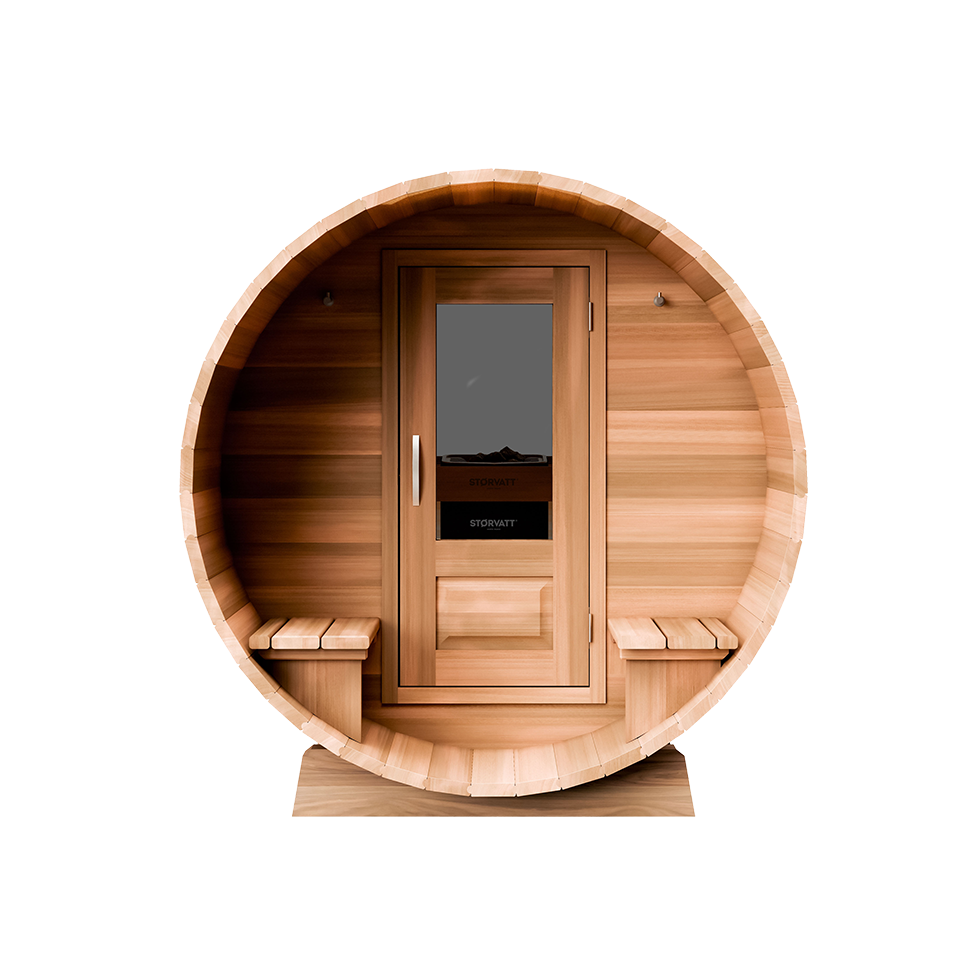 Wooden saunas
 Douche en bois

Is sauna and cold a good combination? The answer is not a simple yes or no: it all depends on the stage of your cold. With a mild cold and no fever, sauna can indeed relieve congestion and provide a feeling of well-being. But in case of fever or great fatigue, it becomes conversely inadvisable, even risky.
Can sauna help cure a cold?
Let's be clear on this point: sauna does not cure a cold. It has no direct action on the virus responsible for the infection. On the other hand, it can relieve certain symptoms, which explains why so many people turn to it instinctively at the first signs of nasal congestion.
The heat and steam of the sauna cause vasodilation of blood vessels and nasal mucous membranes. This phenomenon promotes mucus thinning and can temporarily clear the respiratory passages; an effect similar, but gentler, to that of conventional steam inhalation. The stimulated blood circulation also provides a feeling of relaxation and general well-being, welcome when you feel tired and congested.
But be careful not to confuse temporary relief with healing: the cold will take its natural course, generally between 7 and 10 days, regardless of how many sauna sessions are performed.
Sauna and cold: what depends on the stage of the illness
The right reflex to adopt depends entirely on the stage and intensity of your cold. Here's how to assess the situation.
Mild or early cold (without fever)
This is the case where sauna can really be beneficial. If you feel the first signs of a cold — nose starting to get congested, slight fatigue, no fever or marked body aches: a sauna session can help clear the airways and promote a feeling of well-being.
In this case, choose a session shorter than usual (10 to 12 minutes rather than 15-20), at a slightly more moderate temperature if you already feel tired.
Established cold with marked fatigue
When the cold is well established and fatigue sets in, caution is necessary. Your body is already mobilized to fight the infection, and the thermal stress of the sauna (even beneficial in normal times) can accentuate this fatigue rather than relieve it.
In this intermediate situation, rely above all on how you feel: if you feel like a short gentle session, this can remain possible. If fatigue is too great, it's better to postpone your session for a few days.
Cold with fever
This is the situation where the sauna is clearly inadvisable. In case of fever, your body is already regulating its internal temperature to fight the infection. Adding an external thermal stress via the sauna can:
increase dehydration, already heightened by fever
excessively strain the cardiovascular system
cause discomfort, dizziness, even loss of consciousness
In this case, rest and hydration remain your best allies. The sauna can wait for your complete recovery.

The benefits of sauna on the respiratory passages
Beyond the cold, the heat and humidity of the sauna have a recognized effect on respiratory comfort in general. The steam acts on the sinuses and promotes a feeling of nasal clearance, particularly appreciated when congestion becomes bothersome.
It's worth noting an interesting distinction: between dry sauna (Finnish) and hammam, it's often the hammam, with its 100% humidity level, that is judged more effective specifically for nasal congestion and airways. The traditional sauna, drier, acts more through overall heat and blood circulation than through the direct effect of steam on mucous membranes.
The risks of sauna in case of cold
Before rushing to the sauna at the first signs of a runny nose, keep in mind several points of caution:
Increased dehydration
A cold already causes slight dehydration (frequent blowing, sometimes mild fever). Adding the water loss through sauna perspiration increases this risk, especially if hydration is not sufficiently compensated.
Accentuated fatigue
The immune system is already mobilizing a lot of energy to fight the virus. The thermal stress of the sauna can accentuate the feeling of fatigue rather than relieve it, especially for established colds.
Risk of discomfort
If a mild fever was not detected before the session, the risk of discomfort in the sauna heat is real. Hence the importance of always checking your body temperature before going in during a cold period.
Contagion in public sauna
Last point, often forgotten: if you frequent a public sauna (spa, sports club, thermal facility), a cold remains contagious. Out of respect for other users, it's better to avoid these shared spaces and prefer, if possible, a private sauna or one at home.
Our advice for a safe sauna session with a mild cold
If you have a mild cold, without fever, and still want to enjoy a session, here are the good practices to follow:
Check for absence of fever before entering the sauna, using a thermometer
Reduce the duration of your usual session (10-12 minutes maximum)
Choose a moderate temperature, around 70-80°C rather than the highest peaks
Hydrate abundantly before, during breaks and after the session
Avoid public saunas as a precaution for other users
Listen to your body: exit immediately in case of dizziness, palpitations or sensation of discomfort
For precise temperature settings according to your profile, you can consult our complete guide on the ideal sauna temperature.
Sauna as prevention: can it help avoid catching a cold?
A frequent question deserves to be addressed: can regular sauna use, outside of any period of illness, help prevent colds?
Some observations suggest that regular sauna use could support the immune system over the long term, notably through improved blood circulation and stress reduction, two factors that play a role in the body's general resistance to seasonal infections.
It should be noted, however, that there is no guarantee that regular sauna use will prevent catching a cold. At best, it can be a favorable factor among others (sleep, diet, physical activity) in an overall lifestyle aimed at supporting the body's natural defenses. Plus, you can spend a relaxing time and experience something unique. This is what our bubble saunas make possible!
Want a sauna at home?
Discover our red cedar wood saunas, manufactured in the French Alps since 1997, or ask us your questions.
Sauna and Cold: Your Frequently Asked Questions
Find answers to the most common questions people ask before entering the sauna with a stuffy nose.
Can you go to the sauna with a cold without fever?
Yes, in most cases, a mild cold without fever does not prevent a sauna session. The heat and steam may even provide relief from nasal congestion. Simply opt for a shorter session and ensure good hydration.
Can a sauna help cure a cold faster?
No, a sauna does not speed up the healing of a cold. It can temporarily relieve some symptoms (congestion, general fatigue), but the virus responsible for the cold runs its natural course, typically between 7 and 10 days, regardless of how many sessions you do.
Sauna or hammam, which is better for a cold?
The hammam, thanks to its 100% humidity rate, is often considered more effective specifically for clearing respiratory passages and relieving nasal congestion. The traditional sauna works more through overall heat and circulatory stimulation. Both can be beneficial in case of a mild cold, depending on your preferences.
How long should you wait after a cold before returning to the sauna?
There is no strict waiting period once the fever has disappeared and you feel in top form. The key is to wait for the complete disappearance of the fever and minimal fatigue before resuming normal sauna use, gradually reintroducing longer sessions if needed.