 Exclusives


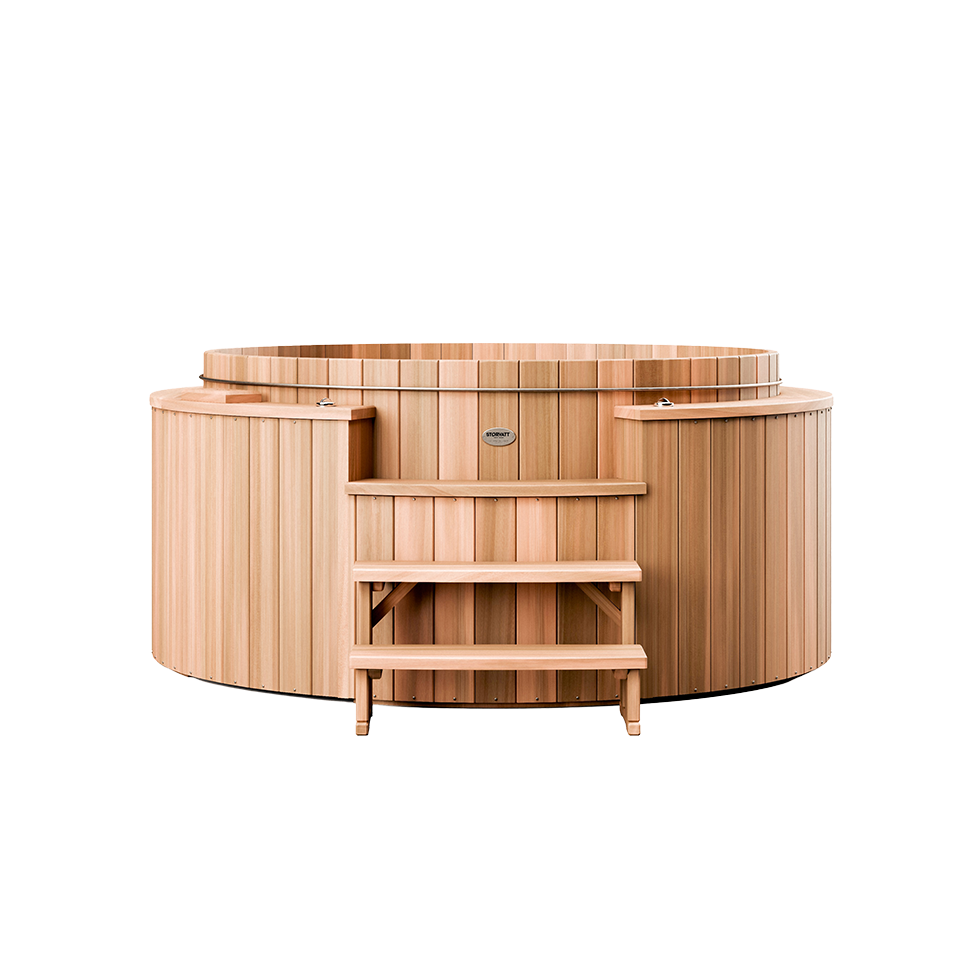 Wooden spas

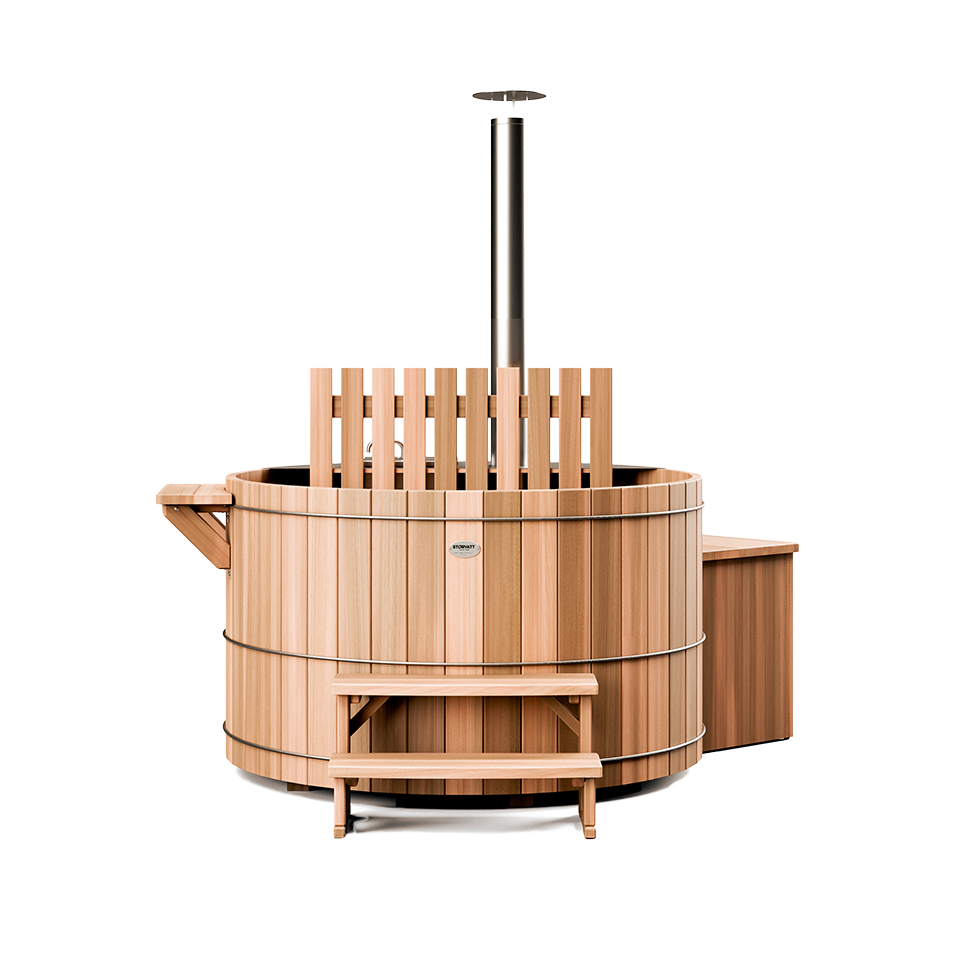 Nordic baths



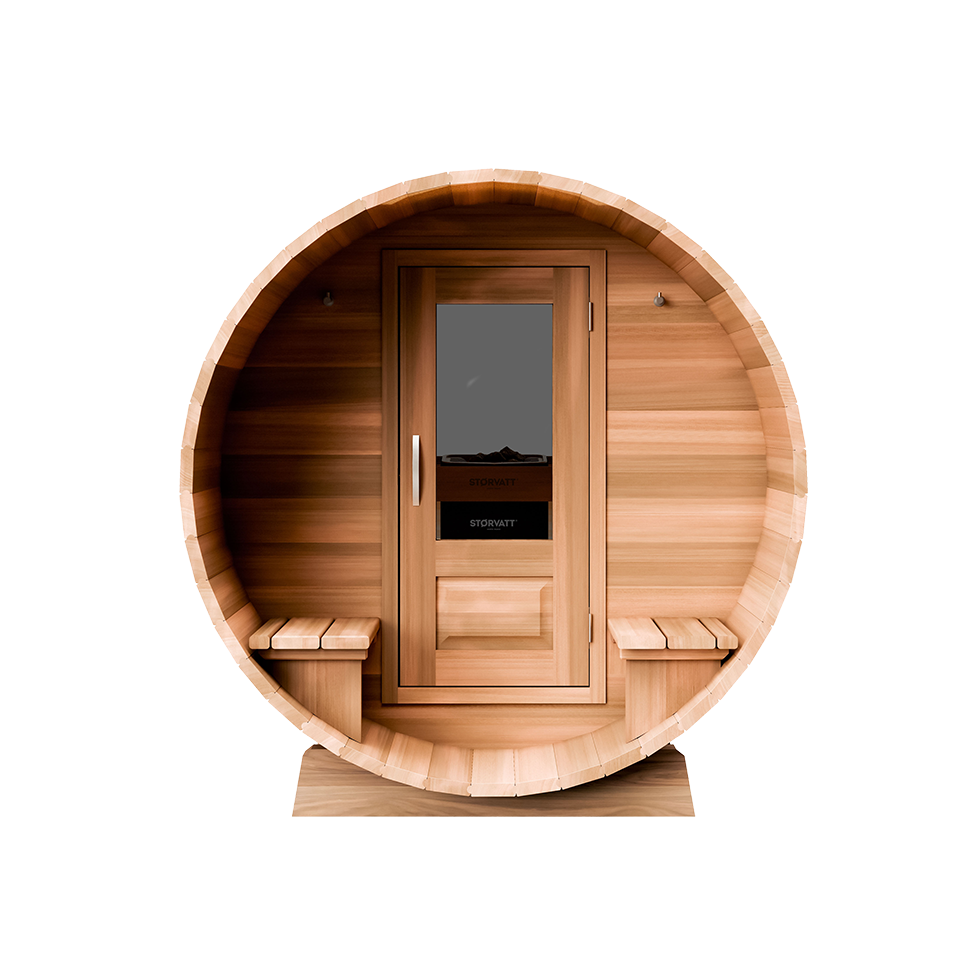 Wooden saunas
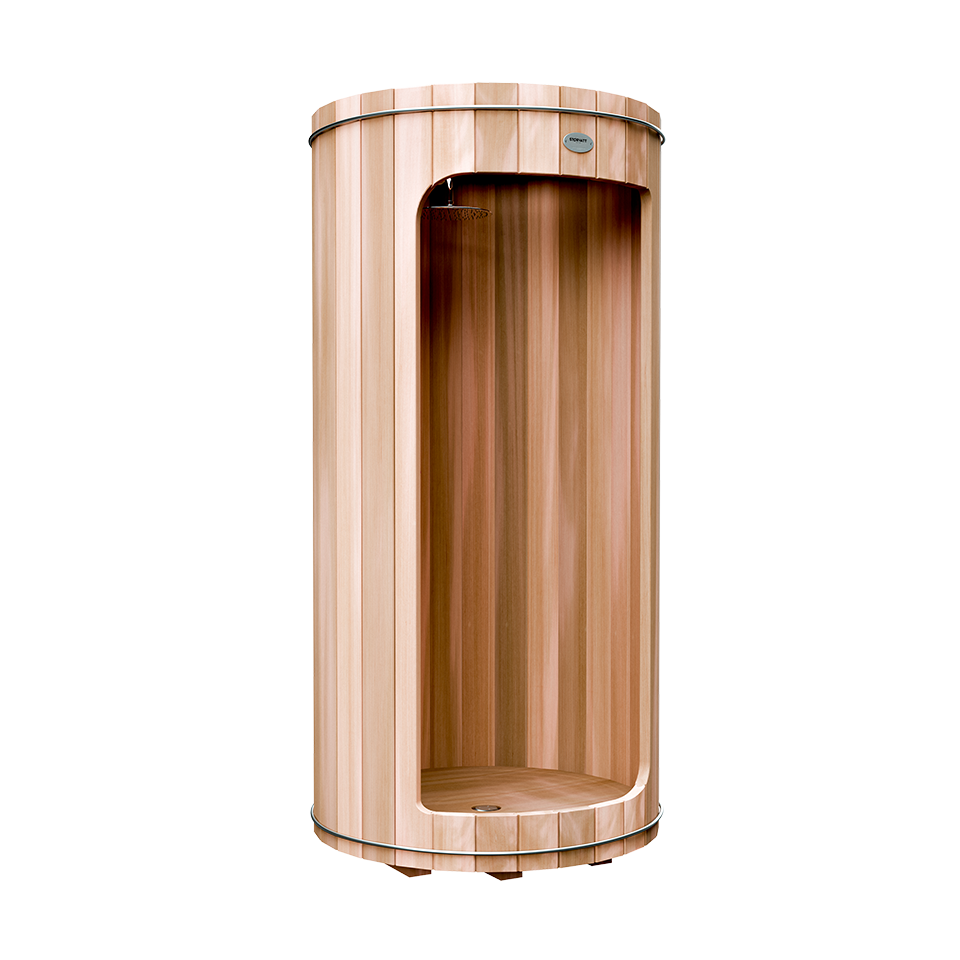 Douche en bois

A Nordic bath is 38 °C, a few hundred liters, bathers, and sunshine: an ideal breeding ground for bacteria and algae. Good news: keeping water clean is no magic trick, provided you understand what's happening in the tub rather than blindly following a recipe. Here's the method we recommend at Størvatt, with the reflexes we too often forget to treat the water in wooden Nordic baths.
Why Nordic bath water degrades so quickly
A swimming pool dilutes its impurities in tens of cubic meters. A tub with only a few hundred liters does not: skin, sebum, sunscreen, hair, pollen and dust concentrate there within hours. At 38 °C, microorganisms multiply much faster than at 20 °C, and disinfectants are consumed more rapidly. The result is well known: cloudy water, odor, greasy film, colored haze.
To get clean water and keep it, everything rests on three levers:
limit what goes in,
filter what remains,
disinfect what you cannot see.
If one of the three is missing, the other two never really compensate. Moreover, know that water that looks clean to the eye is not necessarily healthy: crystal-clear water can very well harbor bacteria. Now let's get to the method!
Three ways to manage water, depending on your use
Everything starts with a simple question: how long does the water stay in the tub? The answer determines the equipment and treatment.
Method | Water duration | For whom |
|---|---|---|
No treatment or filtration | For a weekend, no more | Very occasional use, drain right after |
Portable skimmer + active oxygen | 10 to 15 days | Secondary residence, occasional use |
Beware of the most common mistake: believing that the filter is enough. It traps particles (dust, skin, leaves) but kills no bacteria. Filter and disinfectant work in tandem, and this duo guarantees clean water.
Choosing the right disinfectant
There is no "best" product, only a product suited to your use. First principle: choose products designed for spas, not swimming pools, which are too concentrated for a small volume.
Active oxygen: gentle on the skin, little odor. It is consumed quickly in heat and sun, hence frequent testing. It's the right choice for short-term use with a portable skimmer.
Chlorine: powerful and economical, but irritating. We advise against it for private use. It's more suited to commercial establishments, which require automatic regulation. If you use it anyway, also monitor the stabilizer level, as it's one of the parameters to test.
An important field detail: always dissolve granules in a bucket of water taken from the bath before pouring. If you use tablets, use a floating diffuser, and remove it before bathing.

Red water in my Nordic bath: false alarm?
Here's a particularity of Red Cedar that generic guides ignore. In a new tub, water often takes on a red or amber tint. These are the tannins from the wood, perfectly normal, which fade over a few months. Clean water can therefore be slightly colored, without odor, without haze, without film. Conversely, cloudy, milky or green water remains a true warning sign: don't confuse the two.
What we almost always forget: biofilm
In the pump, filter and pipes, a slippery film forms over time: biofilm. It protects bacteria from disinfectants, which explains why water becomes cloudy again a few days after a thorough drain.
To counter it, two steps are enough. At each drain, circulate a suitable cleaner through the filtration circuit only (half an hour of circulation, a pause, another circulation), then rinse thoroughly. This cleaner is never for the wooden tub: once empty, a simple jet and sponge are enough, no chemicals. In the meantime, brush the waterline gently, never with a metal brush. This "out-of-sight" hygiene makes the difference between clean water for a few days and clean water for weeks.
One last point, temperature: lukewarm water (between 25 and 45 °C approximately) left without treatment is the most favorable configuration for microorganisms, including legionella. If you don't bathe for several days, keep filtration running or drain.
Your Nordic bath water maintenance routine: 3 steps
Before each bath: shower with soap, rinse swimsuit thoroughly, no cream or oil. This is the cheapest way to get clean water.
Before each session: test pH and disinfectant level with test strips, then correct if needed.
After each bath: put the cover back on, remove the floating diffuser and collect leaves and insects with a net.
Keep a small notebook with the date, pH, dosages and number of baths. After a month, you'll know the actual consumption of your bath, much more reliable than any general rule.
Any specifics for treating Nordic bath water by season, winter cold, or summer heat?
Summer is the most demanding period. Heat and UV break down active oxygen and light promotes algae: an opaque cover becomes your best ally.
In winter, don't panic. Water can freeze in the tub without damaging it or the stove, which is submerged. Only the technical unit and PVC parts fear freezing: those are what need protection.
For a vacation rental or rental property, health regulations may apply, sometimes with mandatory automatic regulation and monitoring. In any case, regularity guarantees clean water, far more than equipment sophistication.
What warning signs should not be ignored?
Cloudy or milky water: insufficient filtration, pH too high or disinfectant exhausted.
Strong "chlorine" smell: paradoxically, it betrays chloramines, that is, a disinfectant saturated by impurities. You need shock treatment, aeration, and often a partial water change.
Green haze or slippery walls: algae or biofilm. Shock treatment, brushing and circuit cleaning.
Persistent foam: soap or cosmetic residue. Renew part of the water.
Eye or skin irritation: unbalanced pH or excess product. Test before bathing again.
Want your own Nordic bath?
Discover our Nordic baths made of Red Cedar, manufactured in the French Alps. Our team will help you choose the model suited to your needs.
Your questions about Nordic bath water
Answers to the most frequently asked questions about water duration, products and the little mysteries of the tub.
How long can you keep the water?
Without treatment or filtration, for the duration of a weekend, no more. With a portable skimmer and active oxygen, 10 to 15 days. With a cartridge and bromine, you can change the water in your Nordic bath for up to 3 months maximum.
Can we do without chemicals?
Yes, if you drain it at the end of the weekend and rinse the tank. As soon as water sits for longer, a disinfectant becomes necessary, and active oxygen is the gentlest option.
Can chlorine be used?
We advise against it for private use: it is irritating and more difficult to dose in a small volume. It is mainly used in commercial establishments, with automatic regulation.
Is red water serious?
No. It is the tannins from the Red Cedar, which fade in a few months. Instead, monitor the smell, film, and cloudiness.
Why does water become cloudy right after a drain?
The usual causes are biofilm remaining in the circuit, mineral-rich or iron-rich filling water, or an uncorrected pH.